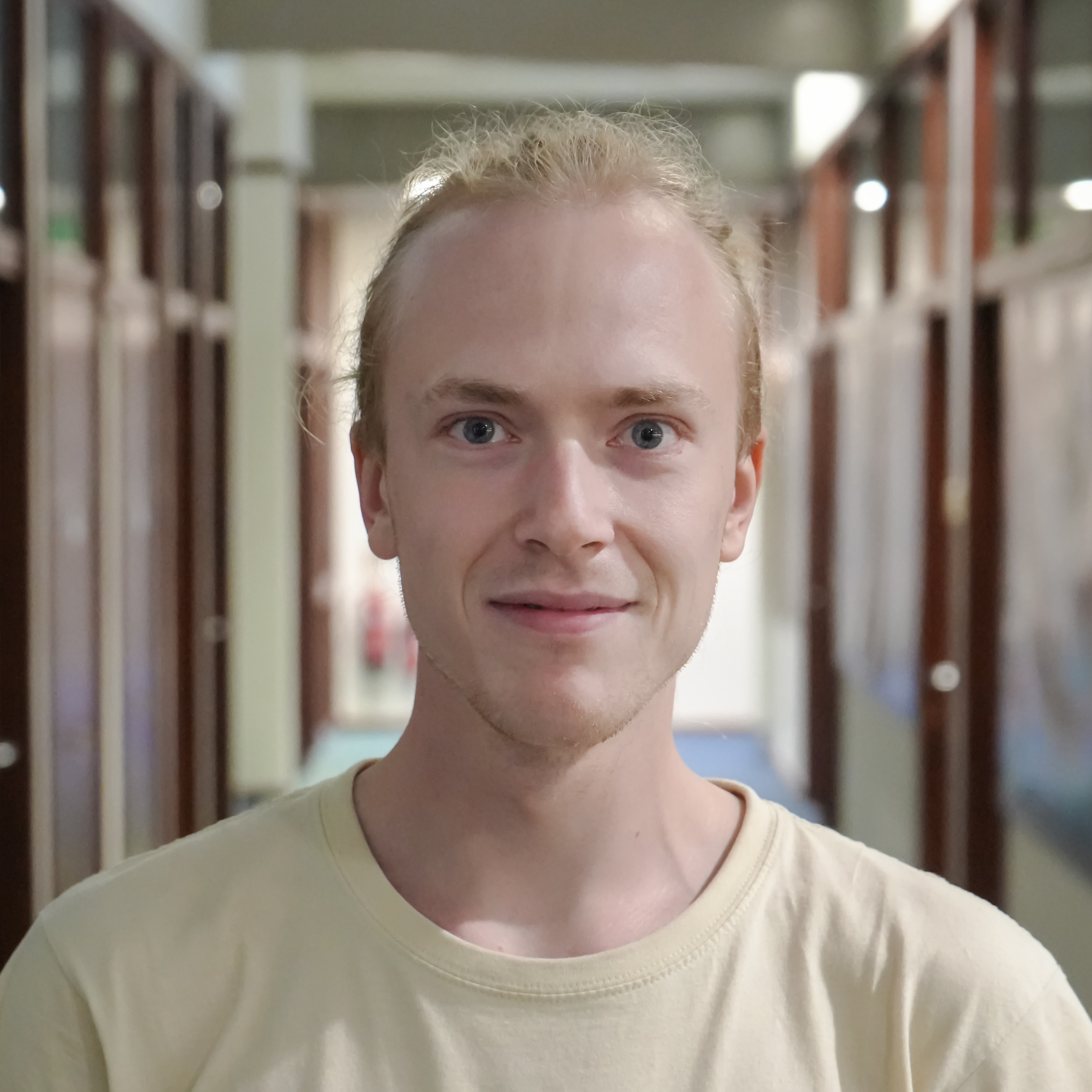
Timo Kist
NWO Rubicon Research Fellow at the University of Cambridge
NWO Rubicon Research Fellow at the University of Cambridge
Scroll down to find out more about me and my research
I'm an NWO Rubicon Research Fellow at the Institute of Astronomy in Cambridge, working at the intersection of theory and observation, as well as statistics and machine learning. Before this, I completed my PhD at Leiden Observatory in the ENIGMA group of Joe Hennawi.
I'm working on modelling techniques as well as a statistical inference framework to constrain the Epoch of Reionization with quasar IGM damping wings. In the past, I've also been contributing to very different topics in theoretical cosmology and condensed matter theory.
My research revolves around the question of when and how reionization occurred, probed by the damping wing signature imprinted upon the spectra of high-redshift quasars by the foreground neutral intergalactic medium (IGM). I'm working on a state-of-the-art Bayesian inference pipeline, coded fully differentiably in the machine learning framework JAX. I'm also concerned with modeling techniques, and I've recently established a new set of damping wing summary statistics that carry information about the local ionization topology in front of a quasar, allowing for constraints on both timing and topology of reionization.
Growing up in a small town in Northern Germany, I soon became interested in mathematics
and (natural) sciences, and year by year, I took part in the Mathematical
Olympiad in Göttingen. This inspired me to start my undergraduate studies at
the University of Göttingen, and I completed them with two Bachelor degrees,
one in Physics, and one in Mathematics.
I spent the first year of my Master studies abroad in Helsinki, Finland, where
Christian Flindt and Jose Lado gave me the opportunity to gain my first
cutting-edge research experience at Aalto University in condensed matter theory.
Upon returning to Germany, I completed my Master's project in the field of theoretical
cosmology with Anna Ijjas at the Max Planck Institute for Gravitational Physics
in Hanover, concluding my time in Göttingen with a Master's degree in Theoretical
Physics. In 2022, I moved on to Leiden Observatory, Netherlands, for my PhD studies in
Joe Hennawi's
ENIGMA group.
Recently, in 2026, I started my first independent research position as an NWO Rubicon
Research Fellow at the University of Cambridge.
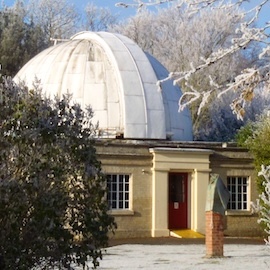
July 2026 - July 2028
NWO Rubicon Research Fellow
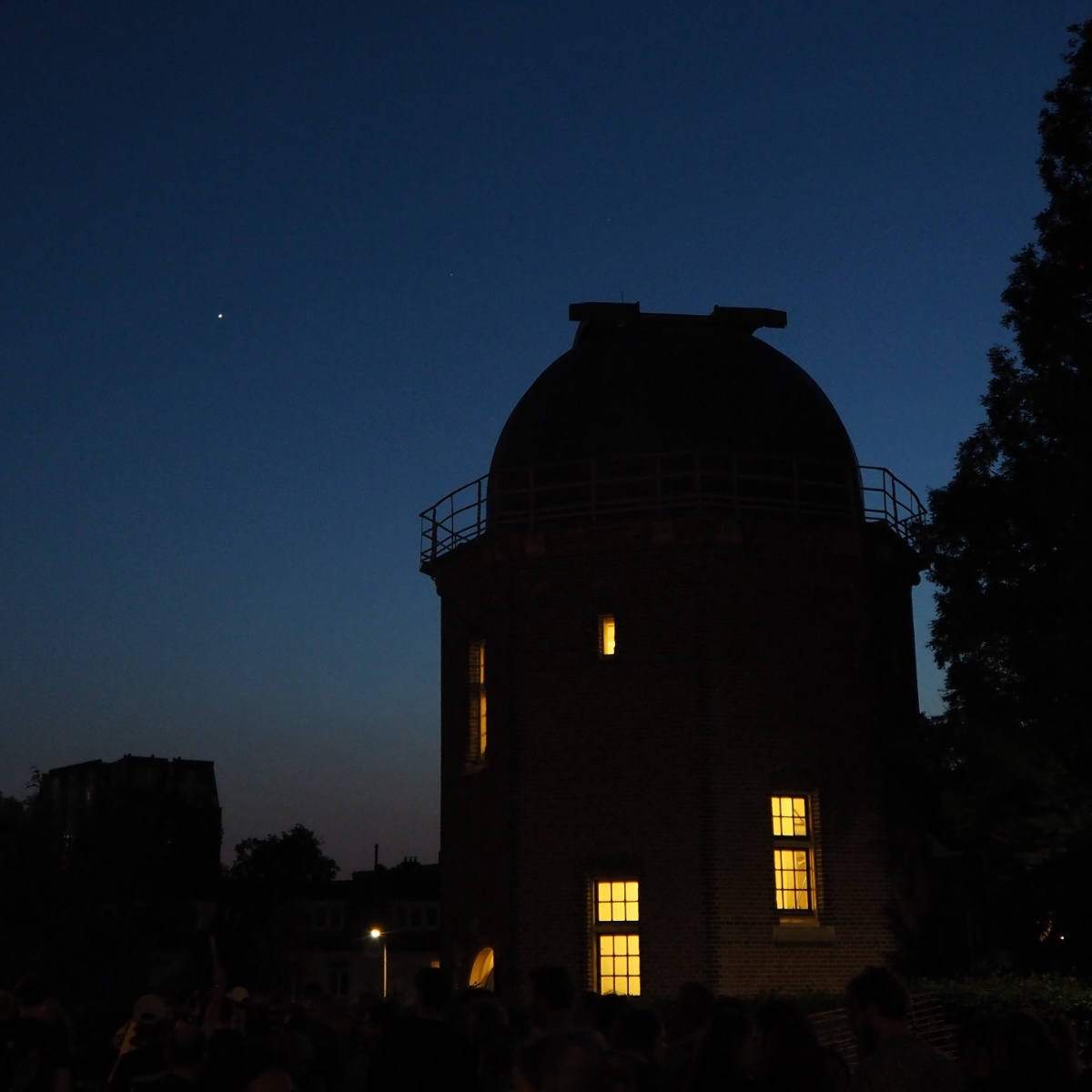
August 2022 - July 2026
PhD candidate in Astronomy
Advisor: Joe Hennawi
April 2021 - March 2022
Master thesis student
Advisor: Anna Ijjas
May 2020 - July 2020
Summer research intern
Advisors: Christian Flindt and Jose Lado
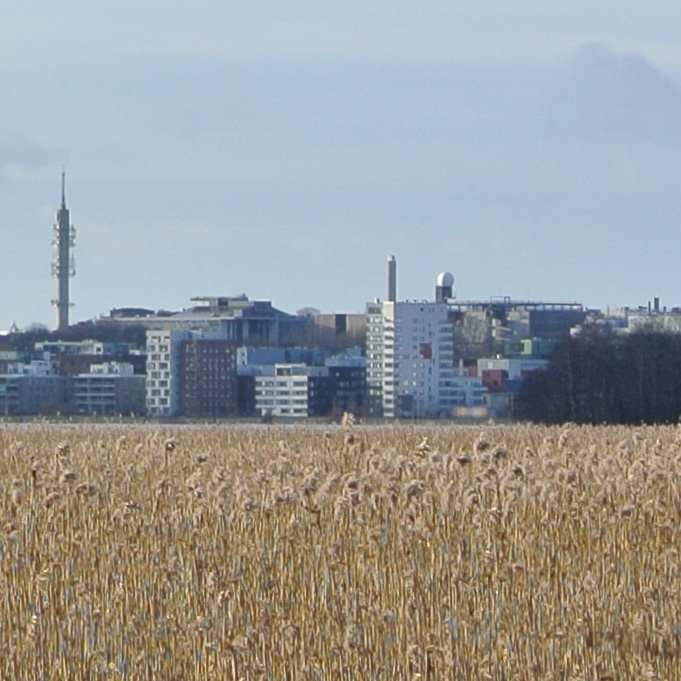
August 2019 - May 2020
Erasmus exchange student
Master’s Program in Particle Physics and Astrophysical Sciences
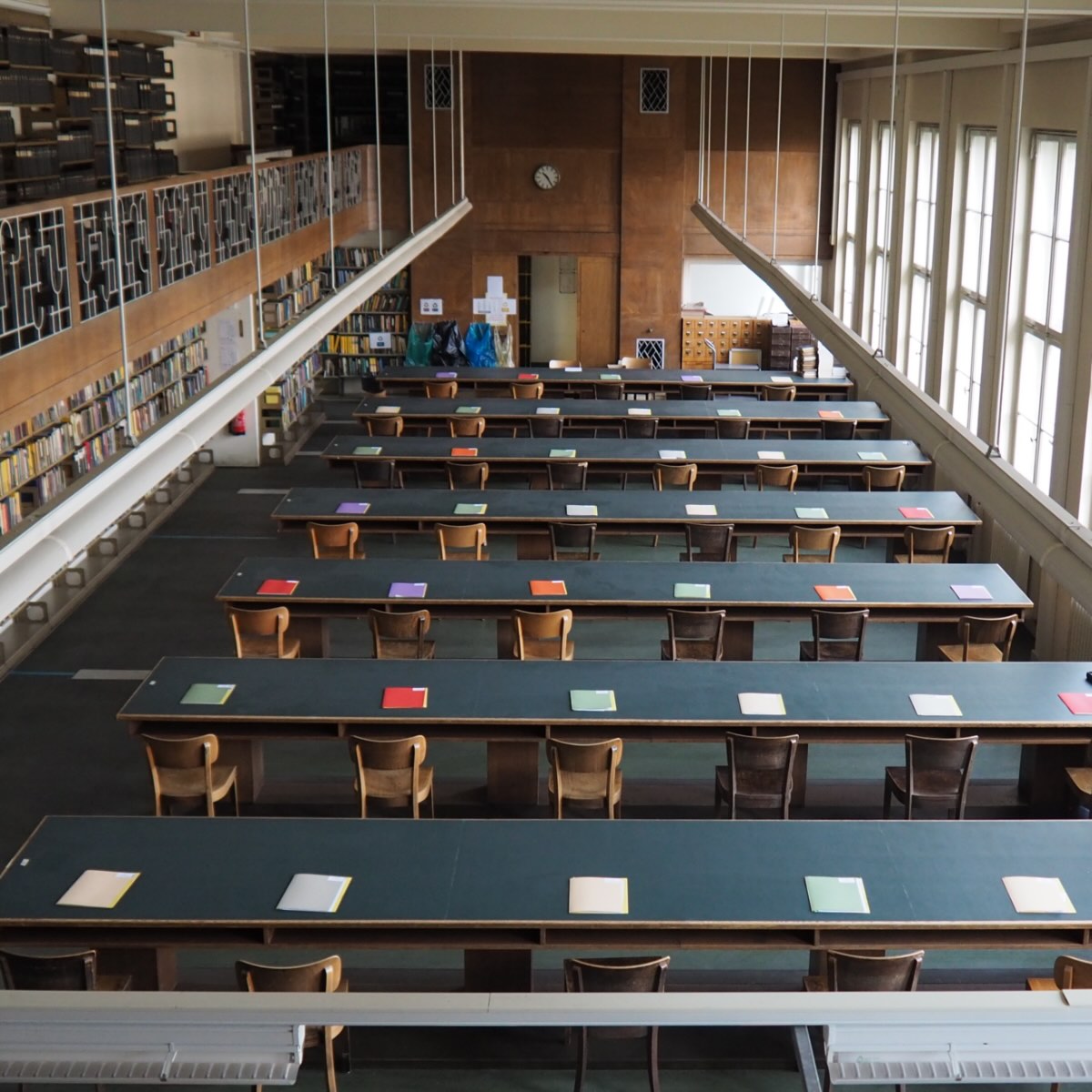
September 2016 - March 2022
Master of Science in Theoretical Physics
Bachelor of Science in Mathematics
Bachelor of Science in Physics